
Pipe Lagging for Scottish Landlords: How to Reduce the Risk of Frozen and Burst Pipes
Information reviewed and updated: 1 September 2026
Pipe lagging is one of the least glamorous jobs on a landlord’s maintenance list. It is also considerably easier than dealing with water coming through a tenement ceiling during a cold spell.
In Edinburgh rentals, exposed or poorly protected pipework can be vulnerable when temperatures remain below freezing. The risk is highest in lofts, cellars, basements, garages, rear extensions, external walls and other spaces where the surrounding air becomes cold quickly.
The sensible time to find those vulnerable areas is before a pipe freezes, not after the heating has stopped or a leak has reached the property below.
This guide explains what pipe lagging does, where landlords should look, how boiler condensate pipes differ from normal water pipes and what to do if a pipe freezes or bursts.

What is pipe lagging?
Pipe lagging is insulation fitted around pipework to slow heat loss and reduce exposure to freezing temperatures. It is commonly made from foam or another insulating material cut to fit the diameter of the pipe.
Good lagging should fit closely, remain dry, cover the vulnerable run continuously and protect bends, joints and fittings as far as the system safely allows. External pipework needs insulation suitable for outdoor conditions, including wind, rain and ultraviolet exposure.
Lagging is a risk-reduction measure. It does not make a pipe freeze-proof, and it cannot compensate for damaged pipework, long periods without heating, poor installation or severe cold.
Why pipe lagging matters in an Edinburgh rental
Frozen water can split a pipe without an immediate warning
When water freezes it expands. The damage may not become obvious until the ice begins to thaw and pressurised water starts escaping through the crack. By that stage, ceilings, plasterwork, timber flooring, decoration, electrics and neighbouring properties may already be at risk.
Edinburgh buildings often contain hidden or exposed pipe runs
Traditional tenements, conversions, basement flats and extended properties can contain pipework in roof spaces, under floors, behind kitchen units, against external walls or within shared areas. Not every vulnerable section will be visible from the living accommodation.
That is why a property-specific inspection is more useful than buying a length of insulation and wrapping the first pipe you can see.
Frozen pipes can remove heating, hot water or the water supply
A frozen or burst pipe can interrupt ordinary water use. A frozen boiler condensate pipe can also cause a condensing boiler to shut down, leaving the tenant without heating or hot water until the blockage is cleared and the system is safely restarted.
Scotland’s Repairing Standard applies throughout the year
The Scottish Repairing Standard requires the structure and exterior of a private rental, including external pipes, to be in a reasonable state of repair. Installations for water, fixed heating and hot water must also be in reasonable repair and proper working order.
The law does not create a separate checklist item saying every pipe must be lagged. The practical question is whether the pipework is suitable, protected, maintained and capable of continuing to serve the property.
Preventive work is easier to plan than emergency work
Lagging can usually be inspected or improved during routine maintenance, a tenancy changeover, boiler work or a planned property visit. Emergency plumbing during a cold snap is harder to schedule, and the property may need a temporary make-safe visit before the permanent repair can be completed.
Which pipes should Scottish landlords inspect?
The exact priorities will depend on the building, but the following areas deserve attention:
| Area | Why it may be vulnerable |
|---|---|
| Lofts and roof spaces | They can become very cold, particularly where insulation sits below the pipework or gaps allow cold air into the space. |
| Cellars, basements and undercrofts | These areas may be unheated, damp or draughty and can contain long pipe runs that are rarely inspected. |
| Garages, outbuildings and rear extensions | Pipes may run through lightly heated or poorly insulated structures. |
| External pipework and outdoor taps | Wind, rain and prolonged low temperatures increase exposure. Outdoor insulation must be suitable for external use. |
| Pipes against external walls | The surrounding surface may remain colder than an internal partition, especially behind units or inside cupboards. |
| Boiler condensate pipes | External plastic condensate runs can freeze and block, causing the boiler to shut down. They need system-specific assessment. |
| Water tanks and associated loft pipework | Tanks, valves and connecting pipes in cold roof spaces may need appropriate protection and inspection. |
| Common or shared pipework | Responsibility may be shared with other owners or managed through a property factor, so access and action may need coordination. |
A boiler condensate pipe needs separate attention
A condensate pipe carries acidic wastewater from a condensing boiler to a drain. It is usually a white or grey plastic pipe and may run outside for part of its length.
Because only a small amount of water passes through it, an exposed external section can freeze and block. When that happens, the boiler may display a fault code, make a gurgling sound or shut down.
Manufacturer guidance from Worcester Bosch and Vaillant explains that external condensate pipework should be appropriately routed and insulated, and that warm rather than boiling water may be used to thaw an accessible frozen section where the manufacturer’s instructions allow it.
A recurring problem should not simply be accepted as part of winter. A Gas Safe registered engineer should assess the route, diameter, fall, insulation and condition of the pipework, along with the boiler itself.

What good pipe lagging should look like
- The insulation matches the outside diameter of the pipe and closes properly around it.
- There are no large gaps at bends, joints, tees, valves or fittings.
- The material is dry, intact and not crushed, split or hanging loose.
- External insulation is weather-resistant and secured without trapping water against the pipe.
- The internal stop valve remains visible and accessible.
- The work does not cover labels, controls, safety devices or components that need inspection.
- Any damaged or corroded pipework is repaired rather than hidden beneath insulation.
- The installation follows the boiler, heating-system or pipe manufacturer’s guidance where relevant.
When should landlords inspect pipe lagging?
There is no single statutory inspection date for pipe lagging. A sensible schedule is to check it:
- Before the first sustained cold spell
- During a tenancy changeover or pre-let inspection
- After plumbing, heating or building work
- When a property has suffered a previous frozen pipe or boiler condensate blockage
- When a routine inspection identifies cold, damp or draughty service areas
- Before a property will be empty or lightly occupied during colder weather and
- Whenever existing insulation looks split, wet, compressed or incomplete.
Albany’s winter property checklist for Scottish landlords places pipework alongside heating, roofs, gutters, alarms and repair reporting, because those risks need to be considered together rather than as isolated jobs.
Empty properties need a separate cold-weather plan
A property between tenancies or left empty during an owner’s absence can be at greater risk because a developing problem may go unnoticed.
- Check the insurer’s unoccupancy conditions, heating requirements and inspection frequency.
- Use the heating or frost-protection setting recommended for the installed system rather than guessing at a universal temperature.
- Arrange documented visits at the interval required by the insurer or management plan.
- Make sure the stop valve is identified, accessible and working.
- Do not drain, isolate or restart a heating system without appropriate professional advice.
- Give Albany or the responsible keyholder up-to-date emergency contacts and access information.
Give tenants a simple water-emergency handover
Tenants do not need to become plumbers. They do need to know what to report and how to reduce immediate damage while help is being arranged.
- Show the tenant where the internal stop valve is located.
- Explain the repair-reporting route and when an urgent Fixflo report should be followed by a phone call.
- Ask tenants to report an unexpected loss of water pressure, visible leak, boiler fault, gurgling condensate pipe or unexplained damp patch promptly.
- Tell tenants not to use a blowtorch, naked flame or boiling water on frozen pipework.
- Explain that water near sockets, lights or electrical equipment should not be approached.
- Ask tenants to tell the managing agent about extended winter absences where the tenancy terms or property plan require it.
Albany tenants can use Fixflo to report a repair. Our guide to reporting repairs in an Edinburgh rental explains when a problem is urgent and what information helps the team respond.
What to do if a pipe freezes
A frozen pipe should be treated carefully. For a managed Albany property, the tenant should report the problem and follow the instructions provided by the property manager or contractor.
Turn off the internal stop valve if it is safe and appropriate to do so.
Follow Scottish Water’s advice for draining the system and protecting the property.
Do not use a naked flame, blowtorch or boiling water.
Only attempt gentle thawing of an accessible pipe when there is no electrical risk and the relevant system or manufacturer guidance permits it.
Contact a registered plumber or heating engineer where the pipe is inaccessible, damaged, repeatedly freezing or connected to the boiler system.
Read Scottish Water’s advice on frozen and burst pipes before attempting any action.
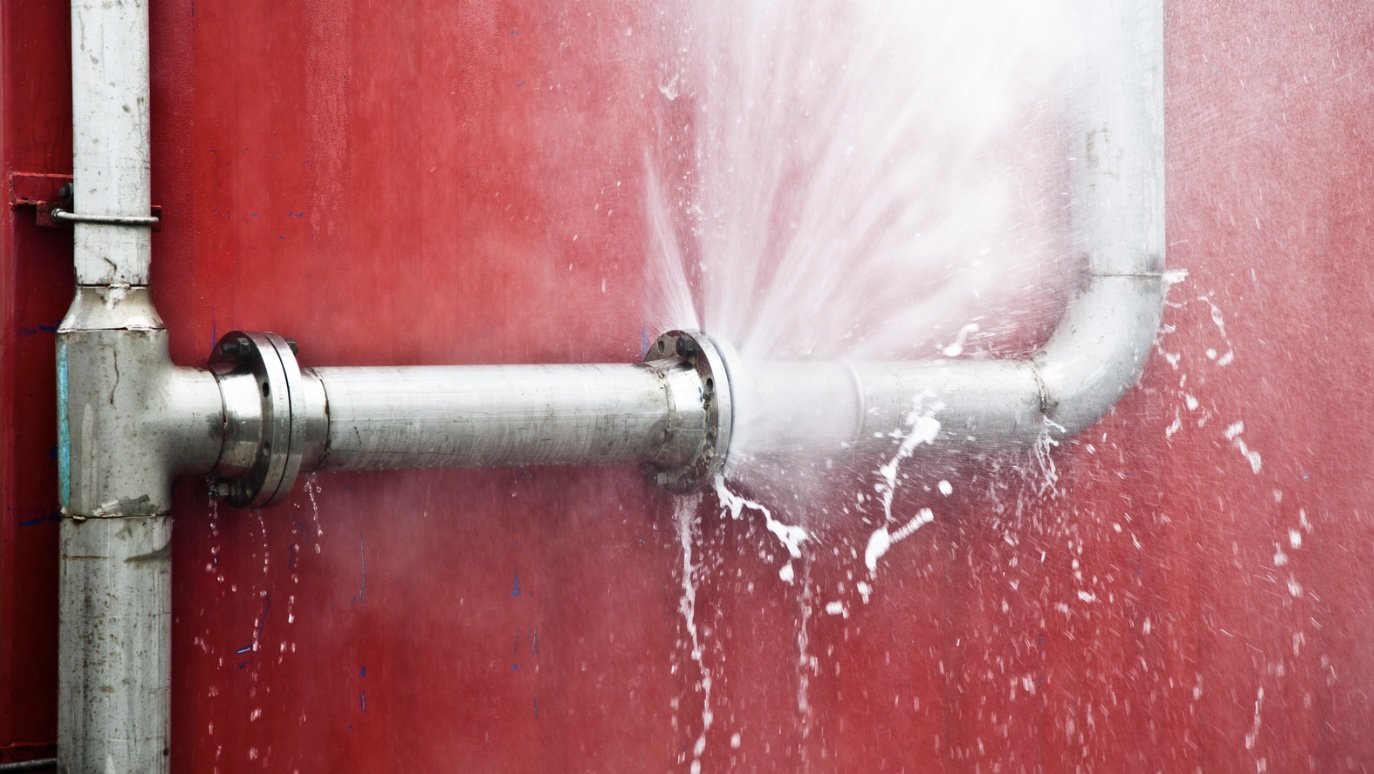
What to do if a pipe bursts
Turn off the internal stop valve immediately, if it is safe to reach.
Keep clear of water near electrical fittings and call the emergency services where there is an immediate danger.
Contact a registered plumber and report the incident to Albany through Fixflo. Follow an urgent report with a phone call to the Edinburgh office on 0131 229 3999.
Move belongings away from the affected area where this can be done safely and notify any neighbour or factor affected by water entering common or adjoining areas.
Photograph the damage only when it is safe. Retain contractor findings, invoices and insurance information.
Scottish Water explains that internal pipework and the internal stop valve are normally the property owner’s responsibility. Its pipework-responsibility guide helps distinguish private pipework from the public water network.
Pipe lagging in tenements and shared buildings
An Edinburgh landlord may own one flat while some pipework, tanks or service areas are common to several properties. Responsibility can depend on the title, the location of the pipe, the factor’s remit and whether the installation serves one property or several.
Where shared access or consent is needed, the landlord should still record the concern, contact the factor or other owners promptly and keep the tenant updated. The Repairing Standard also considers installations outside the flat that serve it and that the owner is responsible for maintaining alone or with others.
How Albany Lettings supports Edinburgh landlords
Pipe lagging is only one part of protecting a rental property. Good management connects preventive inspections, tenant reporting, qualified contractors, repair records and the wider condition of the building.
Albany’s property management service for Edinburgh landlords includes repair coordination, routine inspections, photographic reporting and communication with landlords and tenants. Where vulnerable pipework is identified, the team can help coordinate the appropriate contractor and keep the work visible until it is resolved.
BOOK A CALL WITH THE ALBANY LETTINGS TEAMPreparing a property for the Edinburgh rental market? Request a free online rental valuation and speak to the team about the condition, compliance and management support the property may need.
Frequently asked questions
Does the article title need to include “winter”?
No. Pipe freezing is a cold-weather risk, but landlords can inspect and improve pipe insulation at any time. An evergreen title remains useful every year, while winter and cold-weather keywords can still appear naturally in the copy and metadata.
Is pipe lagging a legal requirement for Scottish landlords?
The Repairing Standard does not contain a standalone rule saying every pipe must be lagged. It requires external pipes, water installations, fixed heating and hot-water systems to be in reasonable repair and proper working order. Lagging is one practical way to reduce foreseeable cold-weather risk.
Does pipe lagging guarantee that a pipe will not freeze?
No. It slows heat loss and lowers the risk. Prolonged cold, wind exposure, poor heating, damaged insulation, incorrect sizing or defective pipework can still result in freezing.
Which pipes are most likely to need insulation?
Pipes in lofts, cellars, basements, garages, outbuildings, rear extensions, external walls and outside areas deserve particular attention. The property should be assessed rather than assuming every visible pipe has the same risk.
Can a landlord fit pipe insulation without a contractor?
Simple, accessible water pipework may be suitable for competent DIY installation, provided the correct material and size are used. Boiler condensate pipes, damaged pipework, inaccessible areas and any uncertainty around gas, flues or safety components should be handled by a qualified professional.
What type of pipe lagging should be used outside?
External pipework needs insulation designed for outdoor use and secured against weather, ultraviolet exposure and wind. The correct product and thickness depend on the pipe, location and system guidance.
Should valves and bends be insulated?
Gaps at bends, tees, joints and fittings can reduce protection, but stop valves and service points must remain accessible. A plumber can advise on the safest way to protect complicated sections.
What is a boiler condensate pipe?
It carries condensate from a condensing boiler to a drain. It is usually plastic and may run outside for part of its length. If it freezes, the boiler can shut down because the wastewater has nowhere to go.
Can boiling water be used on a frozen condensate pipe?
No. Manufacturer guidance warns that boiling water can damage or crack the plastic. Warm water or a hot-water bottle may be suitable for an accessible frozen section, but the boiler manual and manufacturer guidance should be followed.
What should a tenant do if the boiler stops during freezing weather?
Report the fault through Fixflo and follow the instructions provided. Include the boiler make, error code and whether an external condensate pipe appears frozen. Do not open the boiler casing or repeatedly reset the appliance.
Who is responsible for frozen pipes in a Scottish rental?
The landlord is responsible for maintaining the relevant water and heating installations and completing necessary repairs. Tenants should use the home reasonably, follow agreed instructions and report problems promptly. Responsibility for avoidable damage depends on the facts and tenancy terms.
What if the vulnerable pipe is in a shared tenement area?
The landlord may need to contact the factor or other owners. Responsibility depends on ownership and what the pipe serves. The concern should still be recorded, progressed and explained to the tenant.
How often should pipe lagging be checked?
There is no universal statutory interval. Check before prolonged cold weather, during changeovers, after plumbing work, following a previous freeze and whenever routine inspections reveal damaged or incomplete insulation.
What should landlords do before a property is left empty?
Review the insurance policy, heating and inspection conditions. Check the stop valve, arrange documented visits and use the heating or frost-protection setting recommended for the installed system. Do not drain or isolate systems without professional advice.
What should happen if a pipe bursts?
Turn off the stop valve if safe, avoid water near electrics, call a plumber and report the issue urgently. Notify Albany, affected neighbours and the factor where common areas are involved. Follow any insurer requirements.
Can Albany arrange pipe-lagging work?
For managed properties, Albany can help identify maintenance needs, coordinate the appropriate contractor, manage tenant access and keep the landlord updated. The exact work and cost will depend on the property and contractor assessment.